

Resources and insights
Our Blog
Explore insights and practical tips on mastering Databricks Data Intelligence Platform and the full spectrum of today's modern data ecosystem.


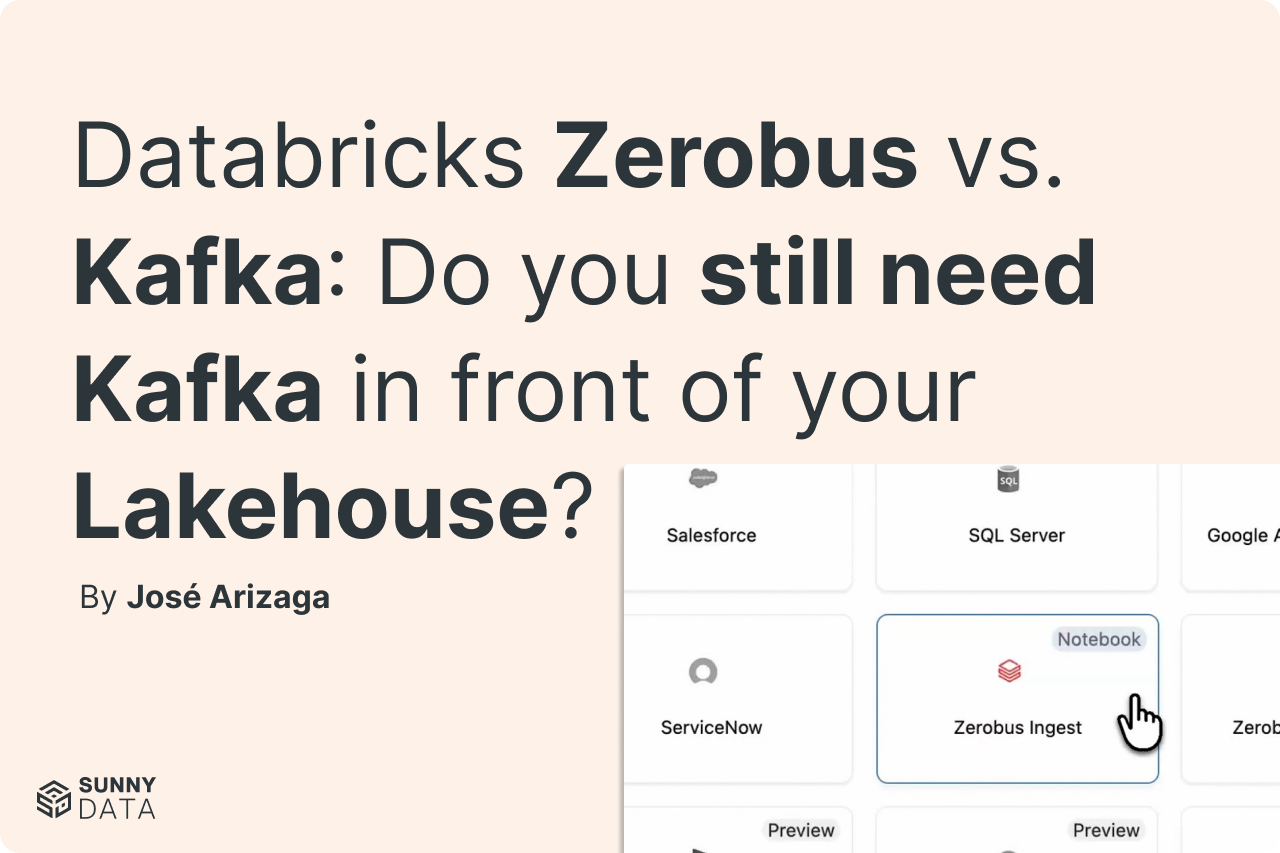
Databricks Zerobus vs. Kafka: Do you still need Kafka in front of your Lakehouse?
Does 'streaming means Kafka' still hold for single-sink ingestion into Delta? We benchmarked it with 64.8 million real events and found a cost gap that never closes, 3.6× to 20.9×

Lakeflow Connect Free Tier: $35/Day Back in Your Budget
Databricks' permanent Lakeflow Connect free tier delivers 100 DBUs per workspace per day — covering up to 100 million records of ingestion at no additional compute cost. For enterprise teams running multiple workspaces, that's over $255,000 in avoided annual costs. This post breaks down the economics, architecture, and what it means for teams still paying a third-party ETL tax.

You Pay for the Complexity of Your Move From On-Prem to Cloud
Moving data from on-prem to cloud shouldn't require 5+ systems. Discover why complexity costs you money and how Zerobus Ingest simplifies data pipelines.

5 Reasons You Should Be Using LakeFlow Jobs as Your Default Orchestrator
External orchestrators can account for nearly 30% of Databricks’ job costs. Discover five compelling reasons why LakeFlow Jobs should be your default orchestration layer: from Infrastructure as Code to SQL-driven workflows.
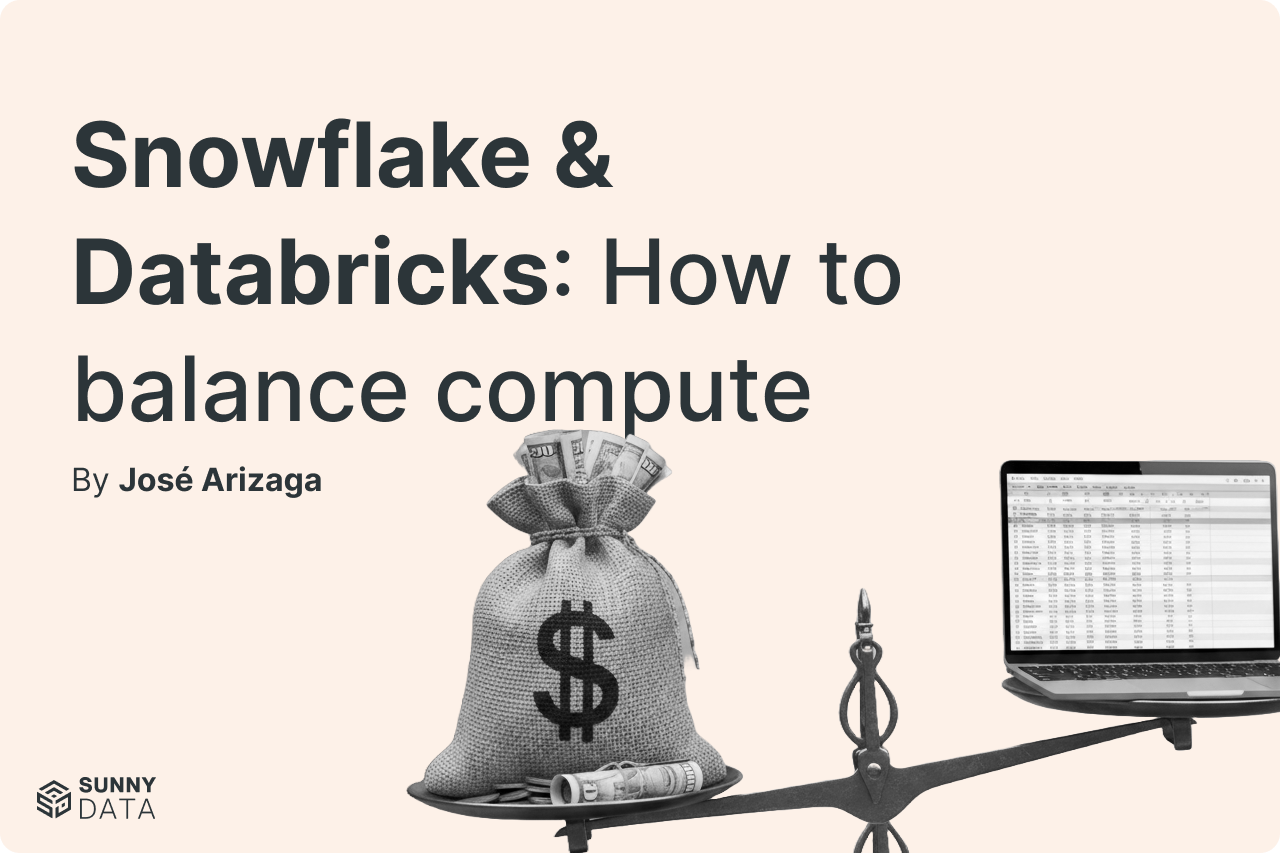
Snowflake and Databricks: How to balance compute
Compare Snowflake and Databricks compute models. Learn scaling strategies, cost optimization tips, and when to use auto-suspend, multi-cluster, and autoscaling.
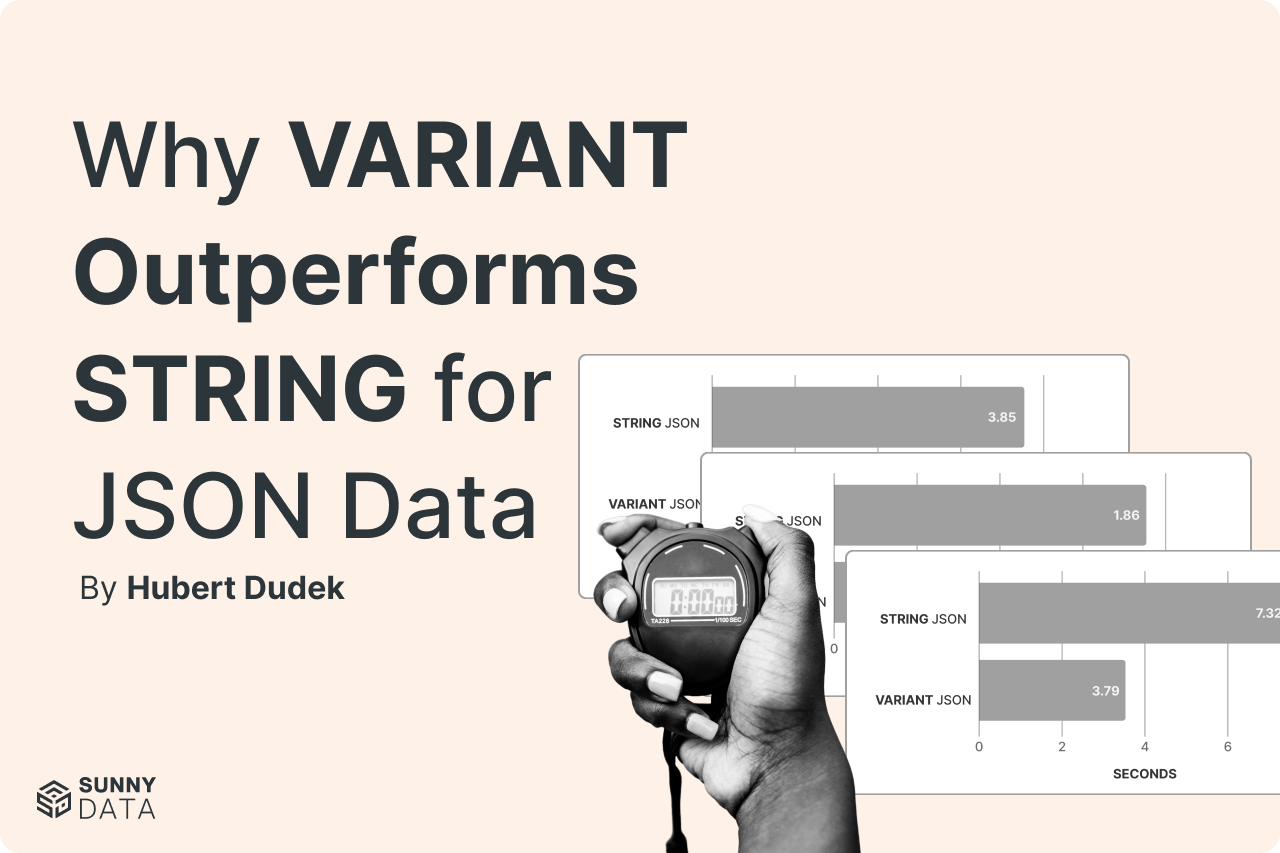
Why VARIANT Outperforms STRING for JSON Data
Check out how Databricks VARIANT outperforms STRING for JSON data with 22% better storage and up to 50% faster queries.

The Hidden Benefits of Databricks' Managed Tables
Learn why Databricks managed tables outperform external tables. Real testing shows cost savings through optimized caching and reduced storage operations.
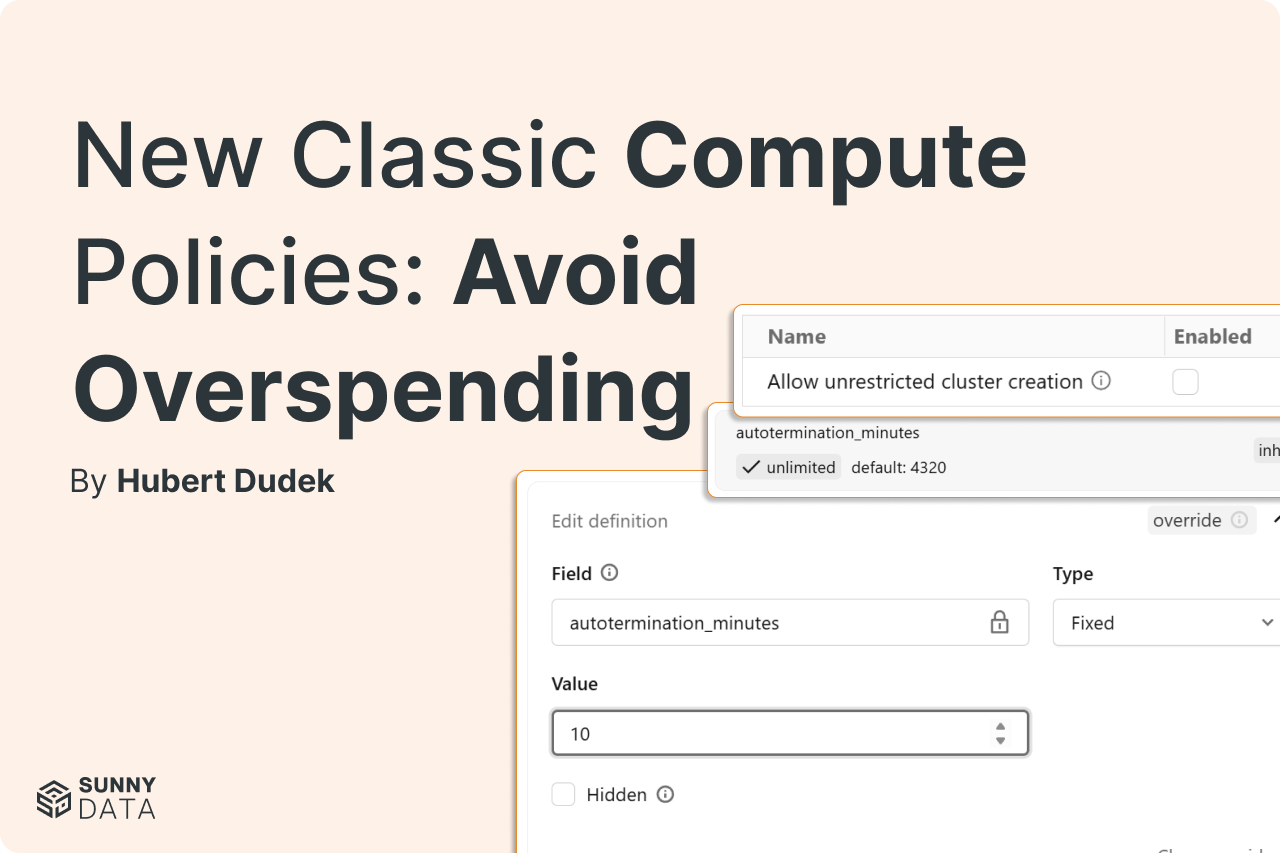
New Classic Compute Policies: Prevent Overspending
Configure Databricks compute policies to prevent accidental overspending. Step-by-step guide to setting auto-termination, worker limits, and access controls that protect your budget without limiting productivity.
Why Financial Institutions Are Ditching Vendor Solutions for Databricks
How 7 Databricks accelerators are helping banks and financial institutions replace expensive vendor solutions with custom in-house data applications for AML, fraud detection, customer analytics, and compliance.
CI/CD Best Practices: Passing tests isn't enough
CI/CD pipelines can pass all jobs yet still deploy broken functionality. This blog covers smoke testing, regression testing, and critical validation strategies: especially useful for data projects where data quality is as important as code quality.

The Hidden Benefits of Databricks Serverless
Most Databricks cost comparisons focus only on compute pricing, missing two critical factors that can save thousands monthly. Learn how serverless waives private link transfer fees (up to $10/TB) and provides persistent remote caching that survives warehouse restarts - hidden benefits that often justify the serverless premium entirely.

The Chaos of Data: How Fragmentation is Stalling Innovation
Discover how data fragmentation across multiple platforms creates costly silos and slows decision-making. Learn why Databricks offers the unified solution modern enterprises need.

Cost allocation, cloud tags, and other relevant things on Databricks
In this three-part video series, Databricks MVP Josue Bogran and Greg Kroleski from Databricks’ “Money Team” discuss cost allocation, tagging best practices, cloud innovations, and performance enhancements. The series explores Databricks' efforts to optimize cost reporting, leverage AI for insights, and empower businesses to make smarter, growth-driven decisions in 2024 and beyond.

5 Reasons Why We Recommend Databricks
Discover why Databricks stands out as the leading data platform in this insightful blog. From unified data management to cost efficiency, unmatched performance, and robust analytics, Josue Bogran explains the top 5 reasons Databricks excels in the competitive landscape. Learn how Databricks balances innovation, user-centric design, and industry versatility to deliver exceptional results.

Performance, Benchmarks, and Optimization Tips for Databricks Users
Josue Bogran interviews Jeremy Lewallen from Databricks’ Performance Team, exploring benchmarks, storage cost optimization, rightsizing SQL Serverless Compute, and common compute mistakes. Discover why Databricks continually enhances performance, tips for using the latest DBRs, and how their innovations provide a fast, efficient, and developer-friendly data platform.