

Resources and insights
Our Blog
Explore insights and practical tips on mastering Databricks Data Intelligence Platform and the full spectrum of today's modern data ecosystem.


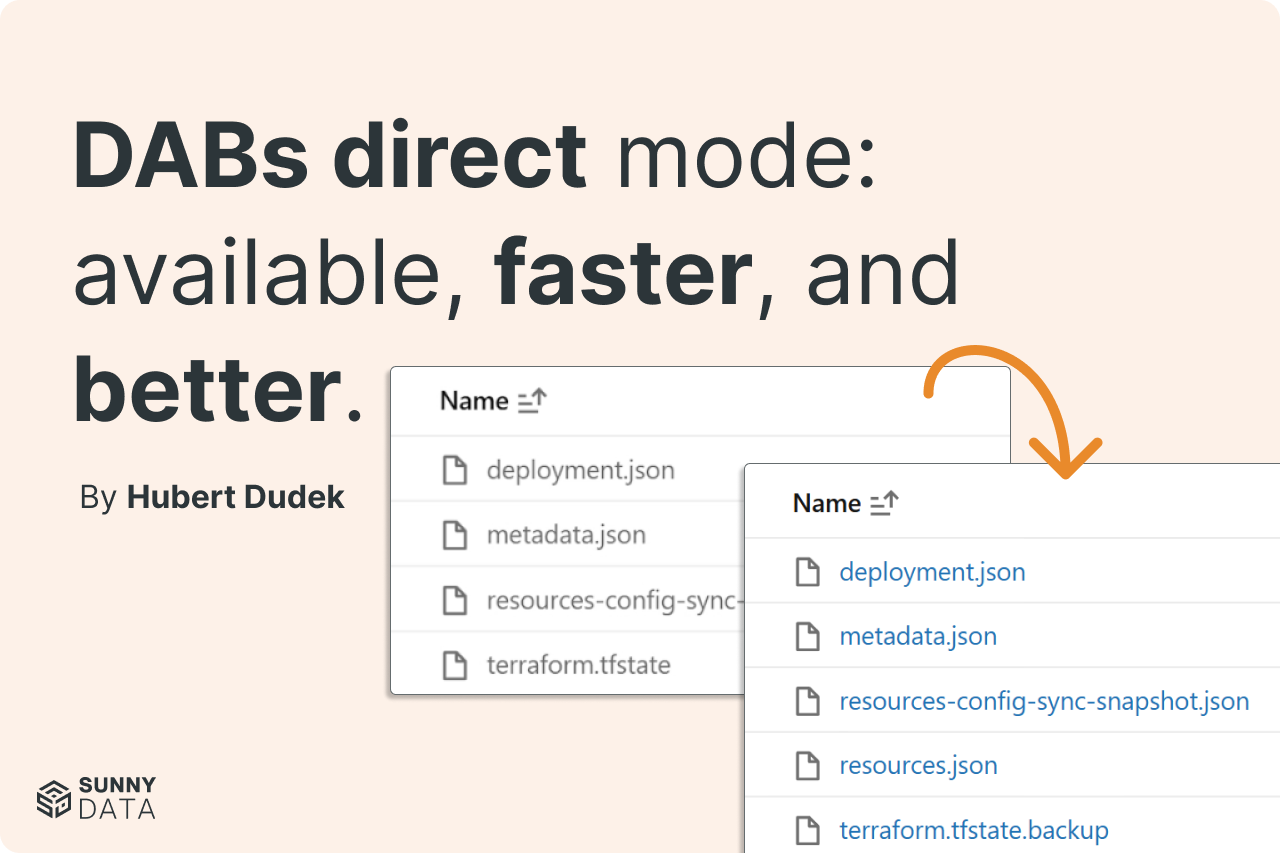
DABs direct mode: available, faster, and better.
Databricks Asset Bundles direct mode is now GA, and it's already the default for bundles created from the workspace, with full CLI default rollout on August 26, 2026. By removing the Terraform dependency, direct mode cuts deployment time by up to 40%, replaces opaque state with human-readable JSON, and unlocks resources like instance pools and Genie Agents that Terraform-gated releases used to delay.
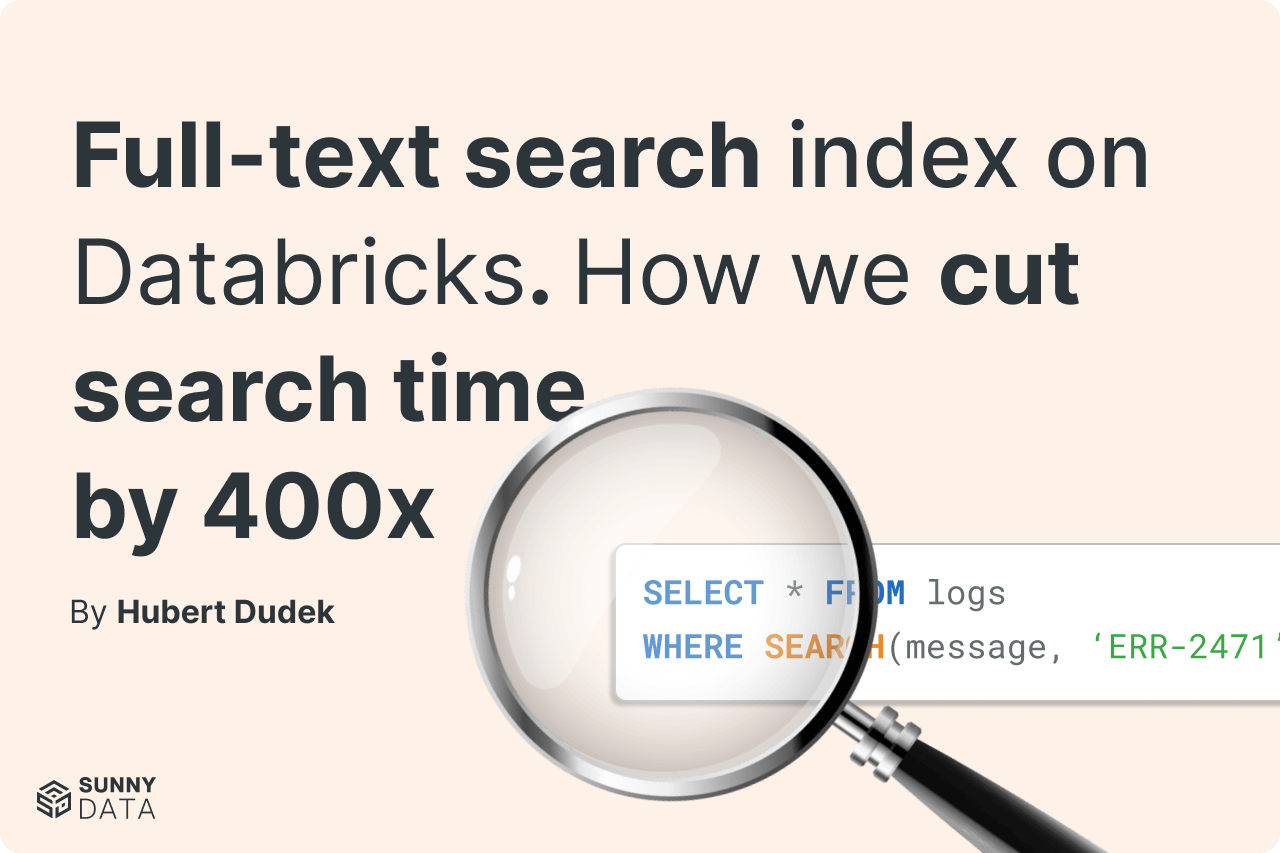
Full-text search index on Databricks. How we cut search time by 400x.
We benchmarked Databricks' new full-text search index across tables from 100M to 10B rows. The result: a 10B-row word search dropped from 71 minutes to under 11 seconds: a 99.75% speedup! Here's how the feature works, how to set it up, and when it's not worth using.
Databricks Docker: From runtime CI/CD to compliance
Databricks now supports 12 official Docker base images, and you can build your own on top of them. Custom containers let data engineering teams control the full runtime (including native binaries, enterprise certificates, internal packages, and offline environments) not just Python dependencies. This post walks through how to build, test, and deploy a custom Databricks container, with nine production use cases from compliance runtimes to DuckDB integration.
Global Job Parameters, Thanks To DABs Mutators
Declarative Automation Bundles mutators let you define job parameters once in a central config file and inject them into every job automatically at deploy time — no more copy-pasting catalog names, schema paths, and environment variables across your bundle. This post walks through a working implementation with full code examples.
Building Production-Ready Databricks Projects with Bundles
Most Databricks teams using Bundles are only scratching the surface. The real value isn't in the deployment syntax — it's in the engineering discipline Bundles makes enforceable: explicit dependency management, reproducible local environments, automated quality gates, and CI/CD as the only path to production. This post breaks down what a production-ready Databricks project structure actually looks like, and the software engineering practices that make it ship with confidence.
From Informatica to Databricks: What Actually Works in Production
Informatica's new LTS pricing means staying put is no longer free — it's a recurring tax on a platform with a shrinking capability roadmap. This guide covers the full migration path from PowerCenter to the Databricks Lakeflow stack: the CFO-ready business case, a construct-by-construct translation guide, and the five-phase M5 methodology SunnyData runs on every engagement. If your team is weighing IICS versus a full re-platform, the architecture decision and cost model are here.
Enforcing Enterprise Naming Conventions in Databricks: The Agentic Way
Naming conventions only work if they're enforced — and a Confluence page nobody reads isn't enforcement. This post walks through using Databricks Workspace Skills to make naming rules executable in Genie Code, then scaling that to a catalog-wide audit agent built with Databricks Apps and DABS. The result is automated, repeatable governance that runs without requiring engineers to opt in.
How to (Efficiently) Process Change Data Feed in Databricks Delta
Databricks AUTO CDC isn't just the easiest way to process Change Data Feed, it's also the cheapest. A benchmark across 25 million INSERT, UPDATE, and DELETE operations found AUTO CDC outperformed Structured Streaming and SQL Warehouse on cost in every run, even as the target table grew to 72 million records. Structured Streaming remains the right choice for custom logic; AUTO CDC wins on standard SCD Type 1/2 patterns at scale.
How to Pass Terraform Outputs to Databricks’ DABS
As teams migrate infrastructure definitions into Declarative Automation Bundles, Terraform still owns the Azure layer — Key Vaults, resource groups, networking. This post walks through a clean, CI/CD-ready pattern for passing Terraform outputs directly into bundle variable overrides, eliminating manual config steps and the environment drift that follows them.

5 Databricks Patterns That Look Fine Until They Aren't
Five common Databricks coding patterns — including undocumented API calls, manual SparkSession instantiation, and hardcoded Spark configs — that pass code review but fail silently in serverless environments or during platform migrations. For each anti-pattern, this post explains why it breaks and shows the correct native Databricks approach using DABS, the Databricks SDK, and dynamic job parameters.

Hidden Magic Commands in Databricks Notebooks
Discover 12 powerful Databricks notebook magic commands beyond %sql and %python. Learn shortcuts for file operations, performance testing, and debugging.
Databricks Workflow Backfill
Use Databricks Workflow backfill jobs to reprocess historical data, recover from outages, and handle late-arriving data efficiently.
DABs: Referencing Your Resources
Databricks bundle lookups failing with "does not exist" errors? Resource references solve timing issues and create strong dependencies. Complete guide with examples.
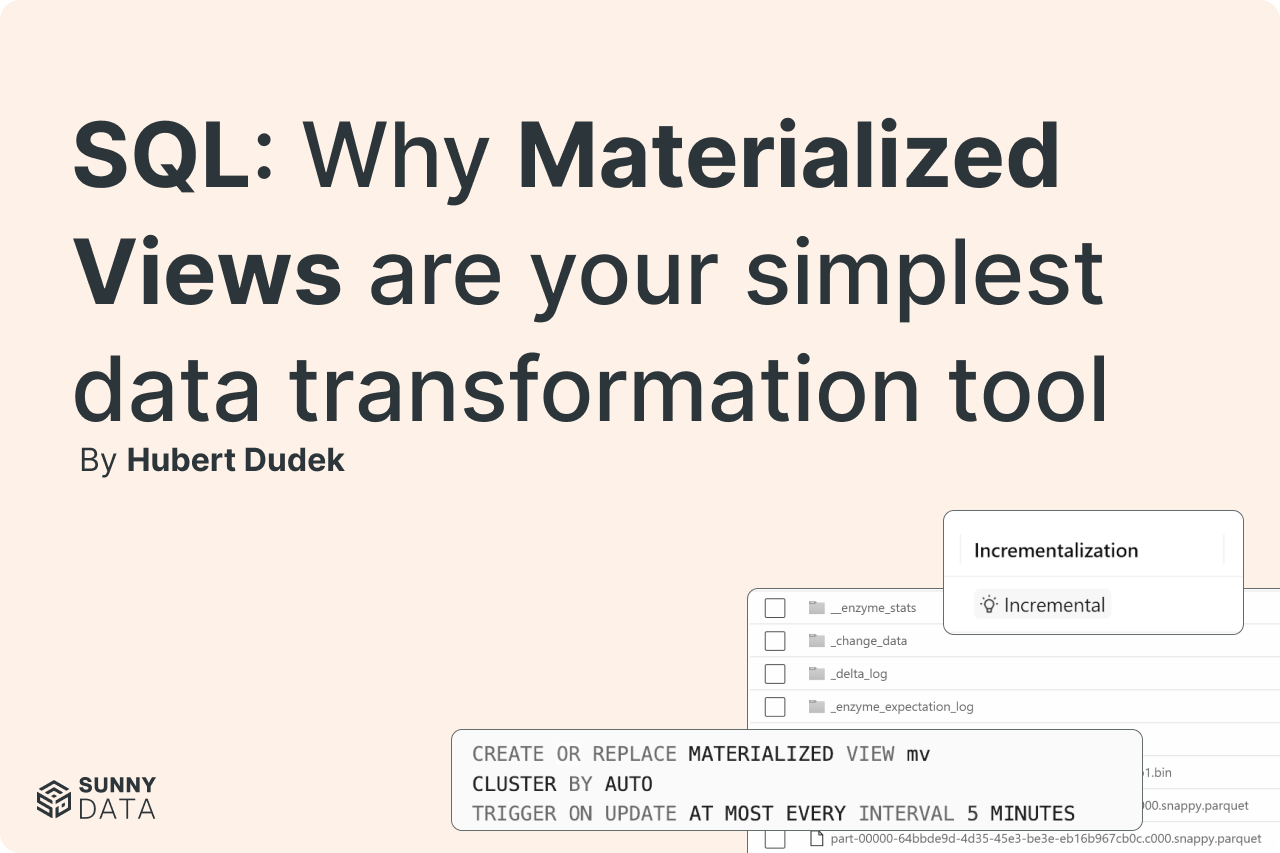
SQL: Why Materialized Views Are Your Simplest Data Transformation Tool
Create cost-effective, incremental materialized views in Databricks SQL Warehouse. Includes monitoring tips, best practices, and Enzyme optimization.
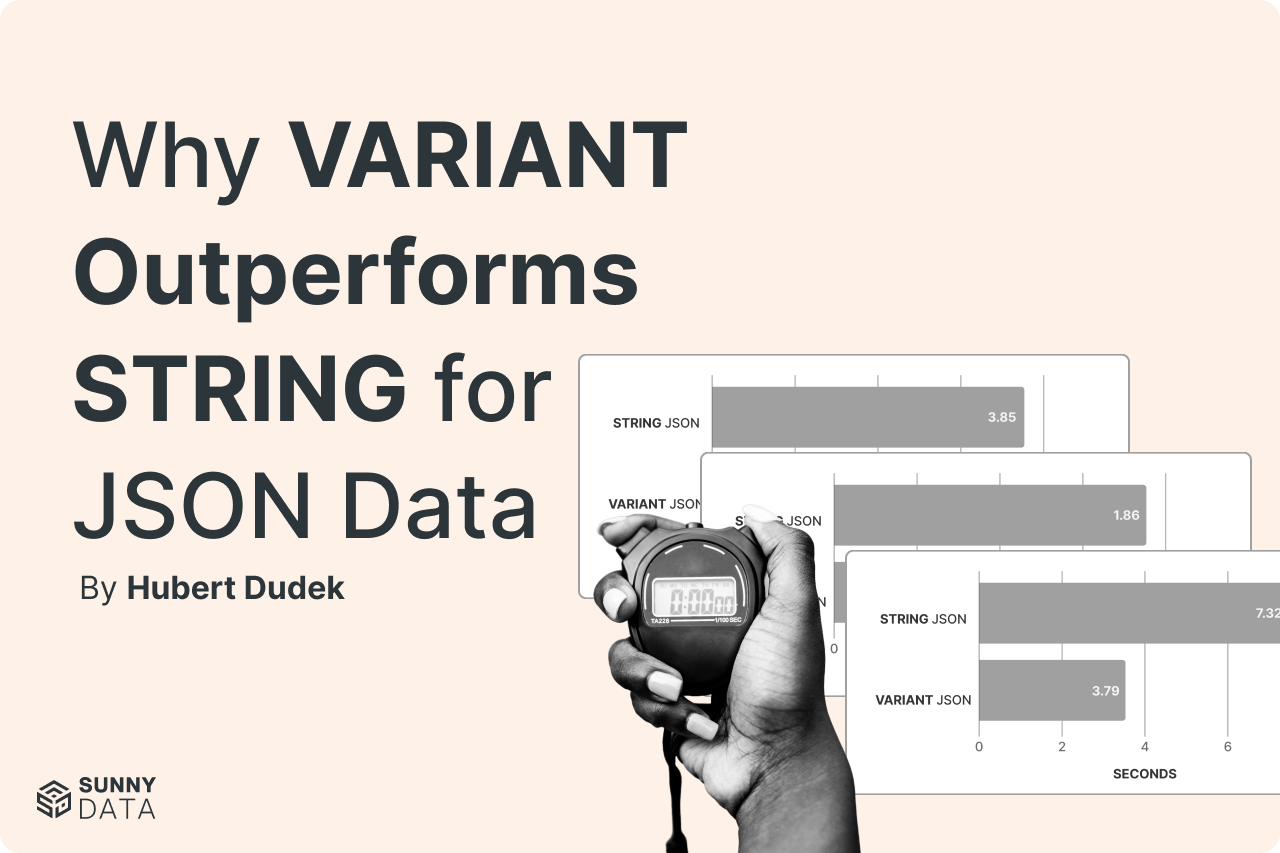
Why VARIANT Outperforms STRING for JSON Data
Check out how Databricks VARIANT outperforms STRING for JSON data with 22% better storage and up to 50% faster queries.